Technology & Pigments
Medical tattoo results depend as much on which pigment, at what depth, and by what method as on hand skill. Here is a transparent guide to the materials and principles we use.
01
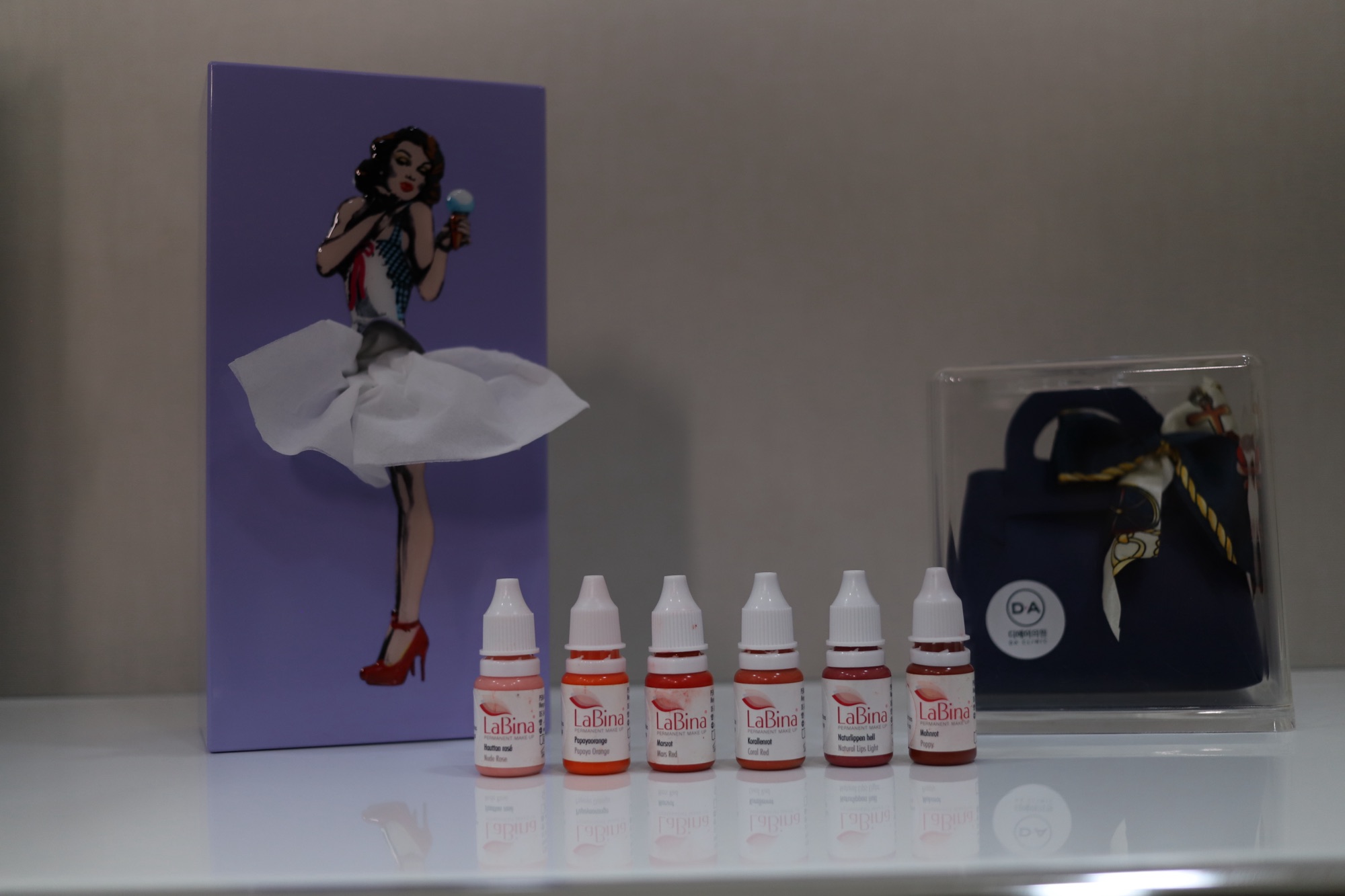
Pigments that resist discoloration
Semi-permanent colors can shift red or blue over time, largely due to pigment composition. We use organic pigments free of iron oxides, selecting only products with verified ingredient lists and safety testing.
02
Complementary color matching
Rather than layering the same color family over dark lips or reddened brows, we first neutralize with the complementary hue. Multiple colors are blended, accounting for the skin's own undertone.
03
Depth control for scar tissue
Surgical sites may be hard or thin, making the needle feel different from normal skin. We read the tissue's resistance through the needle tip, adjusting speed and depth so pigment sits evenly in a single layer.
04
Building dimension with dots
A single color applied as a flat fill looks two-dimensional. By varying the density of tiny dots, we create highlights and shadows — giving areolas their soft fullness and nails their translucent lunula.
Hygiene
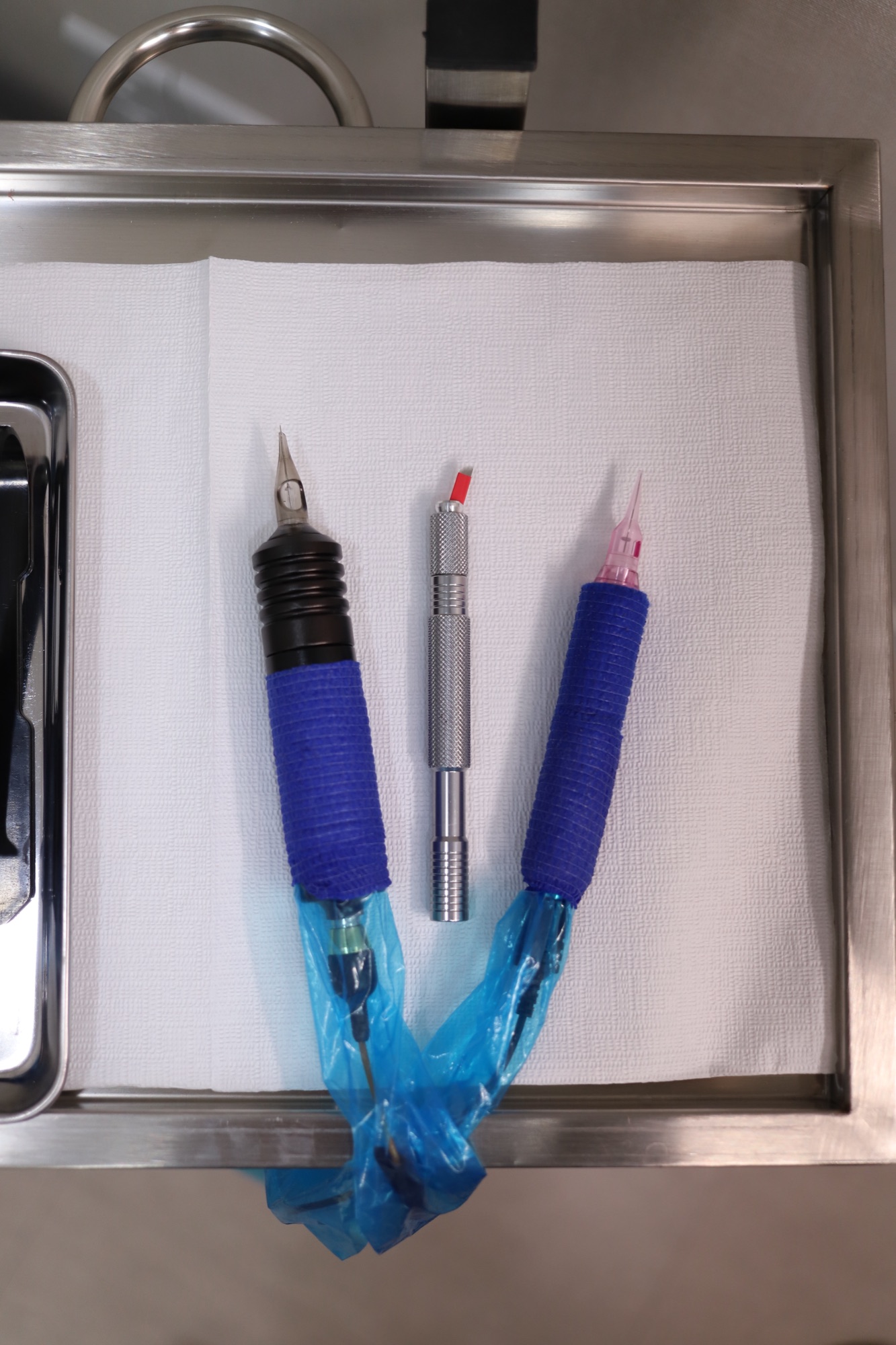
Single-use cartridges, sterilized tools
- Needles and cartridges are used once per client, then disposed of
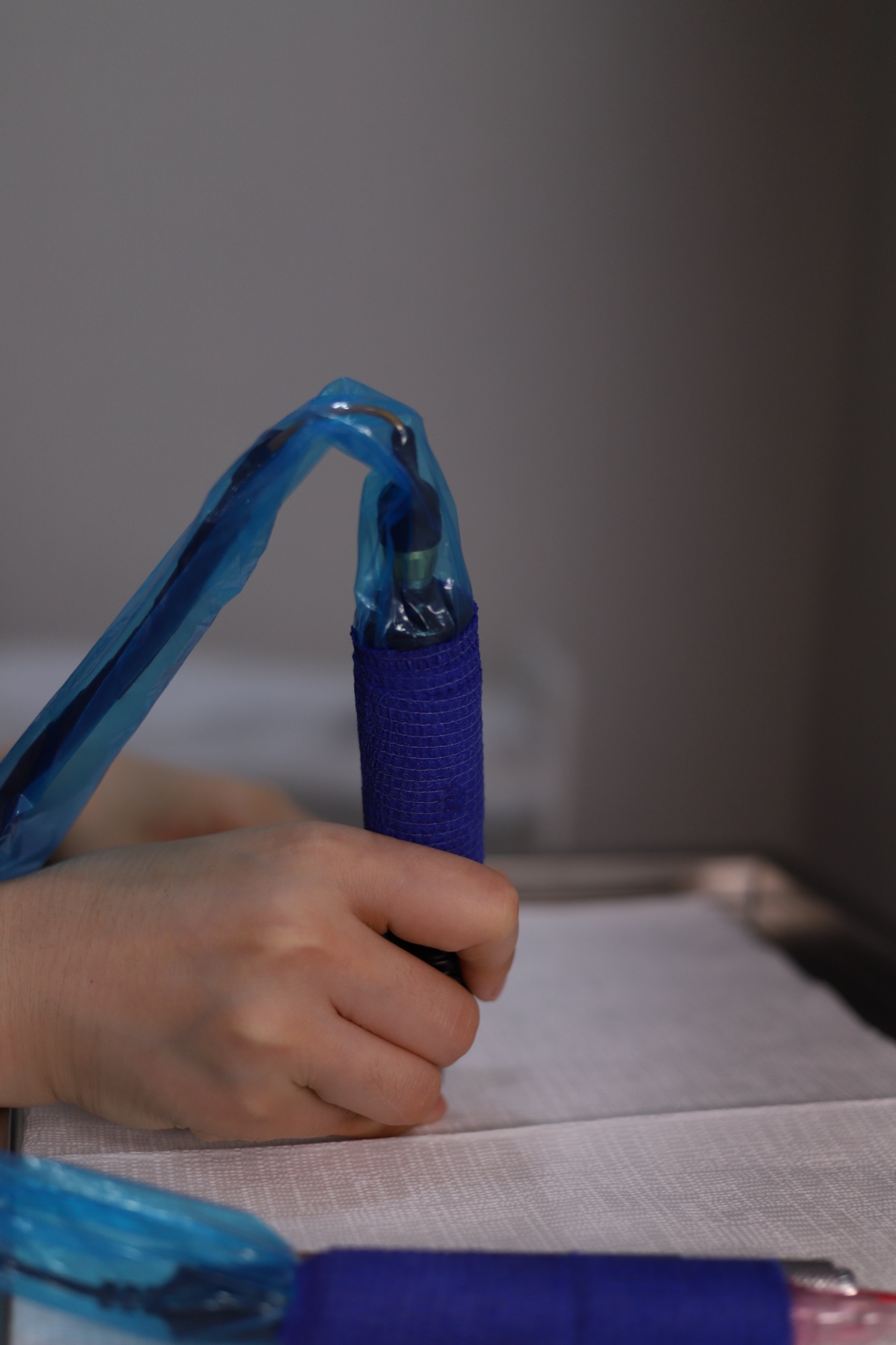
- Machine grips and cords are covered with single-use protective sleeves
- Gloves, gauze, and tools are opened from sterile packaging in front of the client
- Reconstruction sites are treated only after full stabilization — typically 6–12 months post-surgery
Color matching
Custom pigment blending for your skin tone
No two "skin tones" are the same. That is why we never use off-the-shelf colors as-is — we blend multiple pigments to match each client's unique undertone.
Skin tone analysis
We identify the skin's undertone — warm, cool, or neutral. For unilateral areola reconstruction, the healthy side serves as the reference. For bilateral cases, we blend to match skin color and the patient's preference.
Multi-layer pigment blending
Rather than one flat color, we build 3–4 layers: base tone, mid-tone, highlight, and shadow. Each layer uses a different pigment to reproduce the depth that real skin possesses.
Change over time
All pigments fade gradually over time. The rate depends on UV exposure, skin renewal speed, and scar tissue thickness. To maintain results, avoid direct sunlight and plan a light touch-up every 1–2 years.
Realistic expectations
Medical tattoo works by reducing color contrast to make scars and discoloration look natural. It cannot change skin texture (bumps or raised areas), but once color and shading are aligned, the visual result is significantly more natural.
Comparison
Adhesive prosthetics vs. reconstruction tattoo
Silicone prosthetics for nails or nipples are also a valid option. Here is a side-by-side comparison to help you choose what fits your lifestyle.
| Adhesive silicone prosthetic | Reconstruction tattoo | |
|---|---|---|
| Shape | Actual 3D projection | Flat skin with shading that creates the illusion of volume |
| Daily life | Must be attached and removed; may detach during water activities | Part of your skin — no maintenance needed |
| Sensation | Covers the surface and may reduce tactile feedback | Does not cover the skin surface |
| Maintenance | Replace when worn or discolored | Touch up when color fades over time |
Book a Consultation
Start with a phone call
Tell us about your surgery, the area of concern, and the result you're hoping for. We'll let you know whether the procedure is right for you, along with scheduling and pricing. All sessions are by appointment only.